5 hours ago, Jeff Wilder said:Pretty sure the past participle is "snought."
...
80% sure.
Ah, the negotiator.
5 hours ago, Jeff Wilder said:Pretty sure the past participle is "snought."
...
80% sure.
Ah, the negotiator.
12 hours ago, Cr0aker said:The founder of this topic, who observed but did not play, made a fair observation of my play at the MI hyper trial. I don't get out to play that often, and he felt that I tend to do well because I focus so much on the basics. There is some truth to that. Slow down, make sure your playing the game by the rules and are not missing or rushing anything. At the same time don't slow play. Even if your opponent can predict what you are going to do, a lot of the time the best move is still the best move. I'm also just excited to get a few games in. Have fun, play well, and remember there are many worse things you could be doing.
12 hours ago, Boom Owl said:Wholesome and alarming.
Did he tell you that this was an objectively true statement? 🤣🤣🤣🤣🤣

Star Wars: Leia The Miniatures Game
On 5/13/2019 at 6:11 PM, theBitterFig said:When he was 50 points? Pretty much nobody.
Maybe because he was dead after 2 proton torpedoes shots?
56 minutes ago, svelok said:
Star Wars: Leia The Miniatures Game
I just wish such an iconic character like Leia wasn't only found on a crap card and could be playable.
1 hour ago, svelok said:
Star Wars: Leia The Miniatures Game
312 > 296. I reject your argument on limited vs non-limited.
Edited by Brunas17 hours ago, Cr0aker said:Even if your opponent can predict what you are going to do, a lot of the time the best move is still the best move.
Does that not indicate a lack of agency?
What is the difference to Handbreak Han?
15 minutes ago, GreenDragoon said:Does that not indicate a lack of agency?
What is the difference to Handbreak Han?
No, it doesn't. A lack of agency would mean your input doesn't matter, or you had no input - there's uncertainty in the decision making. K-Wings with ASLAM moving first removed agency, because all you could do was watch a game of solitaire unfold.
Hopefully this example is better - starcraft 2 time! In (vanilla wings of libery) Terran vs Zerg I have the option of whether or not to wall off my base. It trivially stops all sorts of weird all-in rushes at very little cost. There's a 99.999% correct answer, but just because something is a dominant decision doesn't mean it has in any way reduced agency. I could decide I'm happy to risk just immediately expanding, though the punish for it could be a 6 minute game I never had a chance in.
Is that a good idea? It depends, who am I playing against?
X-Wing example - this weekend I played against a fenn, and all my v19s did every turn was block his turns in. He know I was going to block them, I was relatively confident he'd do it anways. It was still the correct decision to turn in, to force me to continue blocking him every turn, tying up 50 points of my list in the process.
Edited by Brunas4 minutes ago, Brunas said:Is that a good idea? It depends, who am I playing against?
So X-Wing is basically space poker.
3 minutes ago, Brunas said:K-Wings with ASLAM moving first removed agency, because all you could do was watch a game of solitaire unfold.
As opposed, of course, to Gunboats with AdvSLAM moving second, which is just fine.
20 minutes ago, GreenDragoon said:Does that not indicate a lack of agency?
What is the difference to Handbreak Han?
Not to pile on, but just to word it differently, I think the difference here is a strategic one.
If every move but one takes you off the table, you still have the agency to fly off the table I guess, but it'd be dumb.
But, how did you end up with that as your only option? Was it a clever play by you, and worthwhile? Or a mistake or miscalled move? Or a good block by your opponent? All that stuff is where the meaningful decision making happened.
15 minutes ago, Jeff Wilder said:As opposed, of course, to Gunboats with AdvSLAM moving second, which is just fine.
Only the fairest 
Where's our official spectrum of agency?
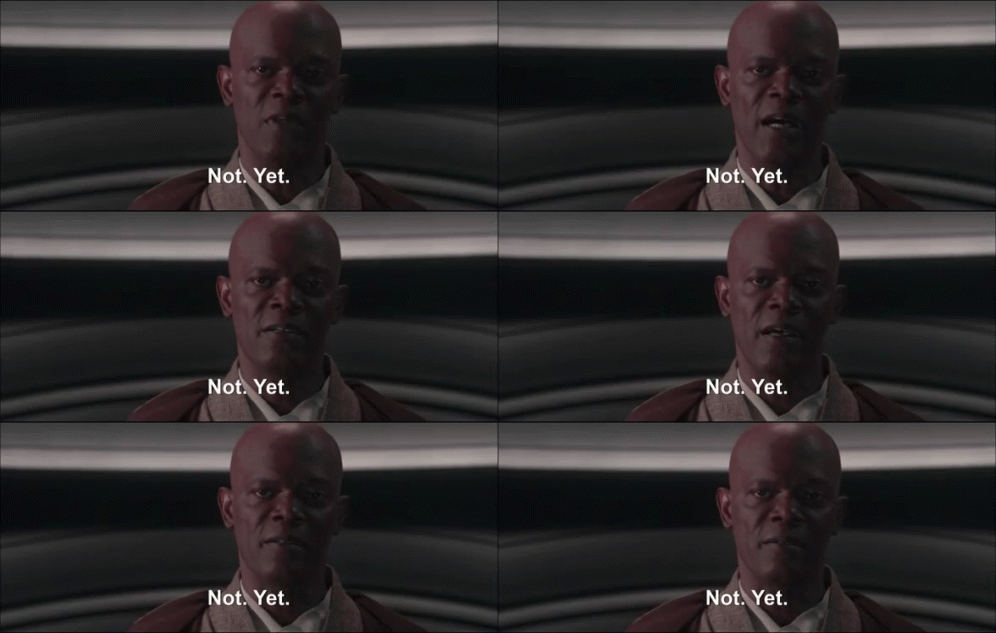
Wholesome: No repositioning
Yellow card: Not caring about being blocked
Red card: SLAM or double repositioning moving last, coordinate moving last
His Smile and Optimism Gone: Supernatural, ASLAM bombs
21 minutes ago, Brunas said:No, it doesn't. A lack of agency would mean your input doesn't matter, or you had no input - there's uncertainty in the decision making. K-Wings with ASLAM moving first removed agency, because all you could do was watch a game of solitaire unfold.
Hopefully this example is better - starcraft 2 time! In (vanilla wings of libery) Terran vs Zerg I have the option of whether or not to wall off my base. It trivially stops all sorts of weird all-in rushes at very little cost. There's a 99.999% correct answer, but just because something is a dominant decision doesn't mean it has in any way reduced agency. I could decide I'm happy to risk just immediately expanding, though the punish for it could be a 6 minute game I never had a chance in.
Is that a good idea? It depends, who am I playing against?
X-Wing example - this weekend I played against a fenn, and all my v19s did every turn was block his turns in. He know I was going to block them, I was relatively confident he'd do it anways. It was still the correct decision to turn in, to force me to continue blocking him every turn, tying up 50 points of my list in the process.
14 minutes ago, svelok said:Not to pile on, but just to word it differently, I think the difference here is a strategic one.
If every move but one takes you off the table, you still have the agency to fly off the table I guess, but it'd be dumb.
But, how did you end up with that as your only option? Was it a clever play by you, and worthwhile? Or a mistake or miscalled move? Or a good block by your opponent? All that stuff is where the meaningful decision making happened.
Sure, and I agree, but I'm not sure I fully understand. What is the difference to Handbreak Han?
What is the difference between:
a) Your best option can be chosen/adjusted on the fly, at i6 after everything moved
and
b) Your best option can be chosen during planning because it doesn't matter what your opponent does, it is still the best option
?
I mean the actual difference while playing, what does change for me as opponent? My maneuver can - in both cases - be bad or worse, sure. But I don't have an option that takes away his best one and forces him to go with a less optimal solution.
Obviously it is a range and we have to talk about extremes to make the points. But the same is true when decrying HandbreakHan - he, too, can be forced into a corner etc etc.
11 minutes ago, GreenDragoon said:Sure, and I agree, but I'm not sure I fully understand. What is the difference to Handbreak Han?
What is the difference between:
a) Your best option can be chosen/adjusted on the fly, at i6 after everything moved
and
b) Your best option can be chosen during planning because it doesn't matter what your opponent does, it is still the best option
?
I mean the actual difference while playing, what does change for me as opponent? My maneuver can - in both cases - be bad or worse, sure. But I don't have an option that takes away his best one and forces him to go with a less optimal solution.
Obviously it is a range and we have to talk about extremes to make the points. But the same is true when decrying HandbreakHan - he, too, can be forced into a corner etc etc.
The difference is, on a turn by turn basis of course, that b) requires both players to look at each others options and come to the conclusion that a set of maneuvers are the best, potentially regardless of their opponent's input.
If I'm playing a) I only need to make decisions once my opponent has committed to a decision - technically there's a dial involved in things like supernatural (and it gets extra dumb when you know what you're doing), but if I'm playing against supernatural reflexes, I'm no longer playing against my opponent setting a dial. I'm just trying to make a net big enough to punish the entire cloud of their final positions, and they'll decide which spot I've made the least bad for them when they activate, vs needing to "play the same game I am" by choosing a position in planning. Han is more or less the same thing.
Edited by BrunasThis is dangerously close to content.
27 minutes ago, Brunas said:Where's our official spectrum of agency?
The most effective system is just to rank Lists from 0-5 Bottles of Glue:
Can we do a scale of Elmers to Epoxy?
1 minute ago, Brunas said:The difference is, on a turn by turn basis of course, that b) requires both players to look at each others options and come to the conclusion that a set of maneuvers are the best, potentially regardless of their opponent's input.
If I'm playing a) I only need to make decisions once my opponent has committed to a decision - technically there's a dial involved in things like supernatural (and it gets extra dumb when you know what you're doing), but if I'm playing against supernatural reflexes, I'm no longer playing against my opponent setting a dial. I'm just trying to make a net big enough to punish the entire cloud of their final positions, and they'll decide which spot I've made the least bad for them when they activate, vs needing to "play the same game I am" by choosing a position in planning. Han is more or less the same thing.
I agree on the Han-part, and I agree in principle that it is a (philosophically huge) difference.
But the practical consequences are very, very similar the way I see it. The difference is that your opponent in b) can mess up and not see his best option, whereas a) can correct potential mistakes - he has to mess up twice, in a way. But often even a Han player has a clear best choice.
If the best option remains the best option despite me doing everything possible to make it worse, then that in itself seems problematic, too.
I'm not saying HandbreakHan is not a problem. I'm rather saying that I wish a correctly identified best move could be made worse than the (initially) second best move.
4 minutes ago, viedit said:Can we do a scale of Elmers to Epoxy?
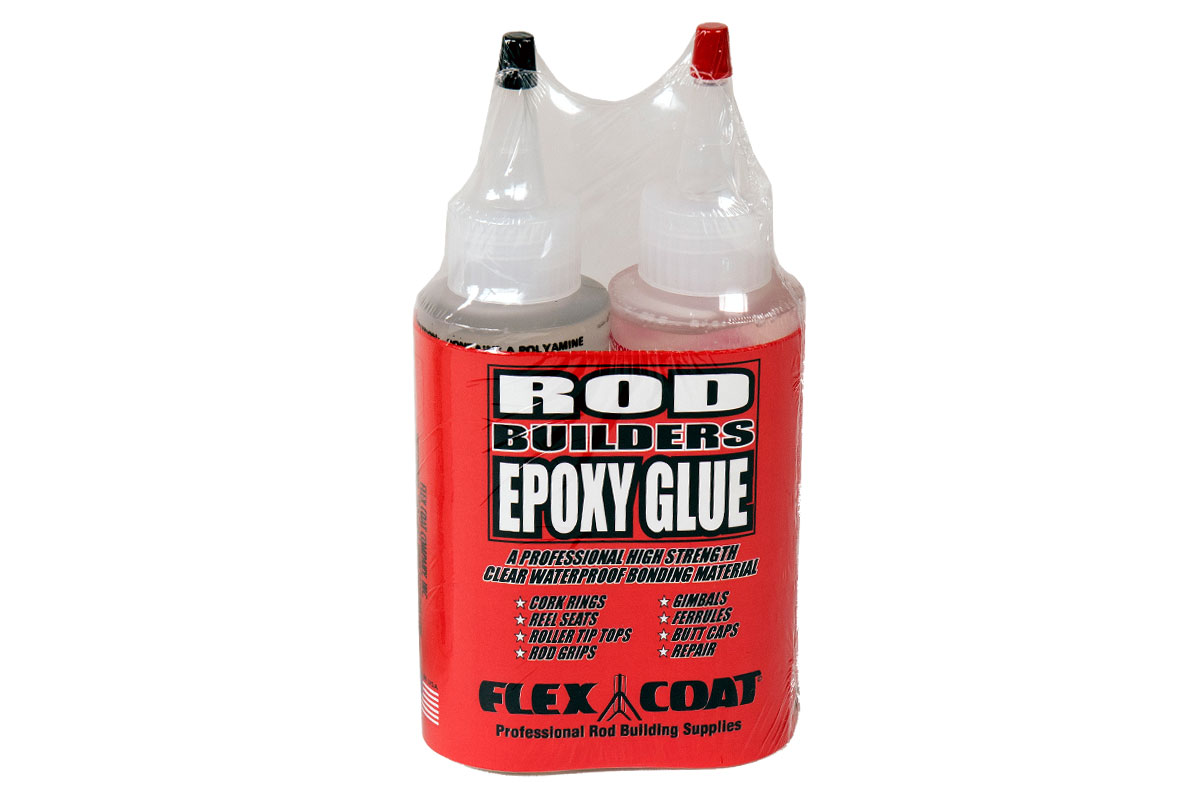


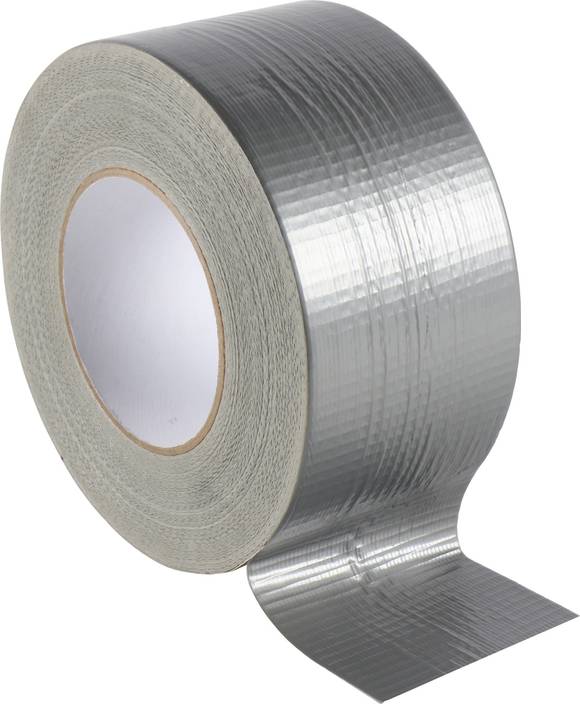
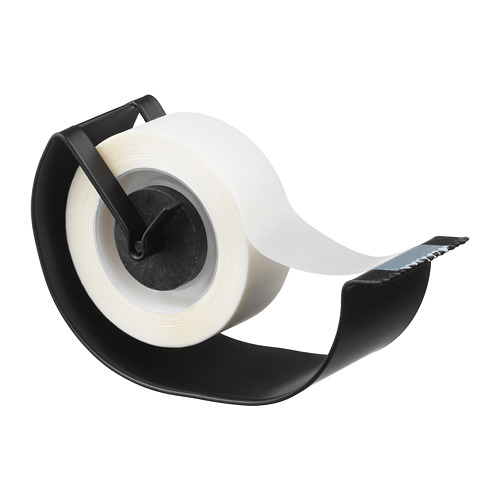


Lol. The all adhesive Olympics.
44 minutes ago, Brunas said:Only the fairest
Where's our official spectrum of agency?
Wholesome: No repositioning
Yellow card: Not caring about being blocked
Red card: SLAM or double repositioning moving last, coordinate moving last
His Smile and Optimism Gone: Supernatural, ASLAM bombs
when they released 2e, I was pretty disappointed that they went with everyone gets some sort of reposition action rather than repositioning is rare and expensive. Like, I get that it's more fun to barrel roll and boost, but making your dial really matter seemed like a fun game.
Edited by jagsba1 hour ago, jagsba said:when the released 2e, I was pretty disappointed that they went with everyone gets some sort of reposition action rather than repositioning is rare and expensive. Like, I get that it's more fun to barrel roll and boost, but making your dial really matter seemed like a fun game.
They have done a reasonable job of this I think.
Only place it goes of the rails is with pre-movement stuff which they have hunted down systematically ( Supernatural, eventually Advanced Sensors and Kanan/Inert should get the same treatment ).
Maybe Jedi being able to double re-position at high initiative without stress is concerning. They dont even have to buy Primed Thrusters to double repo off any non red move. But its unique and resource based so im "ok" with it for now.
Double repositioning costing you most or all of your mods is pretty fundamental. The more that is the case the better balanced everything stays.
Along with making double repositions generally rare and costly.
The ships with single repositions are often the most interesting, see Fang Fighters.
Im hopeful that FFG down plays "free k-turns/ talons/ sloops" and also increases the overall importance of Rock Avoidance over time as well. Force charges are a threat to all of this.
Edited by Boom Owl9 minutes ago, Boom Owl said:They have done a reasonable job of this I think.
Only place it goes of the rails is with pre-movement stuff which they have hunted down systematically ( Supernatural, eventually Advanced Sensors and Kanan/Inert should get the same treatment ).
Maybe Jedi being able to double re-position at high initiative without stress is concerning. They dont even have to buy Primed Thrusters to double repo off any non red move. But its unique and resource based so im "ok" with it for now.
Double repositioning costing you most or all of your mods is pretty fundamental. The more that is the case the better balanced everything stays.
Along with making it generally rare and costly.
perfect knowledge double reposition after everyone else has moved has always been the height of skill, there has always been a bigger offender though so I've never belaboured the point
See also, advSlam Vynder moving last being brushed over because R2ID Han is worse.
I think repositioning is inherently a problem because it gives a huge benefit to being 2nd player and/or high init, but
I was sorta hoping that 2E would have committing to reposition being part of the activation phase. (I say "sorta," because most people who have tried double repositioning ships with perfect information find it fun, because it successfully mimics skillful play. I'm not immune to that.) I really think it would help smooth out the ridiculous non-linear benefit of increasing Init. But, well, so much for that.
Here's a head-scratcher for y'all, that we talked about a couple of podcast episodes ago: why is Afterburners not Init-scaled?
21 minutes ago, Jeff Wilder said:I was sorta hoping that 2E would have committing to reposition being part of the activation phase. (I say "sorta," because most people who have tried double repositioning ships with perfect information find it fun, because it successfully mimics skillful play. I'm not immune to that.) I really think it would help smooth out the ridiculous non-linear benefit of increasing Init. But, well, so much for that.
Here's a head-scratcher for y'all, that we talked about a couple of podcast episodes ago: why is Afterburners not Init-scaled?
I would 100% take afterburners on academy pilots if it was initiative scaled. It is good at very low and high initiatives, so it would probably need a weird curve of cost and they have only done linear or slightly multiplicative costs so far.