How do you create your own adventure?

By killdeer2, in Star Wars: Age of Rebellion RPG

Galactic_Campaign_Guide.jpg

Image: the secret of my success.
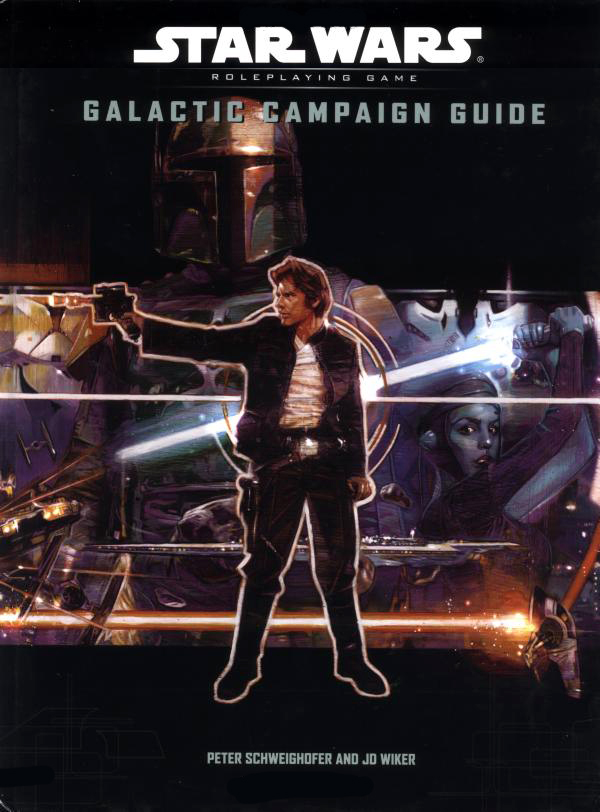
Seconded. If you can find a copy, this book is an awesome resource for any SW RPG. The majority of the content is systemless, or usable across systems. In fact, I think this book and the Ultimate Alien Anthology are the only two books for the old d20 SWRPG I kept. The web enhancement about trading is also awesome (which apparently is for the Hero's guide, not the Campaign Guide).

Also, listen to your players and take a look at their characters. Their character concepts include things they want to *do* even if the players themselves don't say it. A pilot wants to fly. An archaeologist wants to find cool, old stuff. A marauder wants to fight. Work those elements into the stories.

In between sessions, talk to your players about their characters and their backgrounds. Plot hooks will emerge. Is the character running away from someone or something? You know, that player secretly wants to confront that in an epic tale. Is the character an orphan? His real parents are out there somewhere. What drove the character to be a smuggler? There's a plot hook in that story!

Some of my best games have resulted from players coming to me with ideas they have for stories. In an old Rolemaster game, one player approached me and said he heard a bard in the tavern tell a tale of a paladin that turned evil and became a lich long ago and of the ancient and terrible arcane sword that he wielded. He totally made that up - it was not part of any gaming session we had, but I created an adventure around it. And he got the sword in the final treasure! Which is really what he wanted to begin with.

The players have tales to tell just as you, the GM, do. (<--- That seems weird. Is that grammatically correct?)

Theres several good resources out there, this forum being one, the core book is anther, but also sites like the Angry GM, the Order 66 podcast and so on. Even pulling the old D6 "Gamemaster Companion" is pretty useful or some will even suggest some of the D&D DM guides as GMing isn't really a setting or even system specific thing.

Writing an adventure isn't that tough, but it does take some practice, and its something you only get better at by doing.

Some personal tips:

-Always play "Who is my daddy, and what does he do?" keep your players Character sheets or make a copy for yourself. When making an adventure remember to check the players sheet from time to time. Look at both crunch (skills, abilities, talents, gear) and fluff (motivation, background, obligation).

Here's why:

  • Fluff: At least a couple of your players have picked their fluffy stuff for a reason. Using Obligation or Background helps make it personal, and get them more invested. Why have them rob a shadow depository for themselves when they can rob it in response to Steve's Obligation:Family and he needs the credits to pay for his sisters medical treatments.
  • Crunch: Adventure design is a two part thing, 1)Story (See Fluff), and 2) Encounter design. When designing the encounters you want to keep the players abilities in mind. Most (but not all) encounters should be built to challenge the players while still keeping the game slanted in their favor, if they've got no combat specced characters in the party and are armed with nothing but harsh language, don't throw a tank in their direction. Similarly, You want to keep an eye on what they can do so you can give them the opportunity to actually do it. If there's a heavy gunner with a repeating blaster on the crew, don't hesitate to toss big minion groups at them specifically so he can gun them down. If there's a Pilot on the team, you'd better plan vehicle encounters regularly.

- Start with a sentence and expand. Think like what you see on a TV guide, one sentence that sums up the whole episode without defining too much. "The crew finds an escape pod to a lost passenger ship, and a old rival returns to claim it"

Wow that establishes a lot and just lets you fill in the blanks.

-Have a goal, and make sure the players ALWAYS have a goal. If the players ever don't know where to go, find a way to tell them. A simple "Plot this way" sign" can make a world of difference. As you polish off the adventure know where the players were supposed to start, where they were supposed to end, and how that plays into a larger campaign. This is important because....

-Always make the players think it was their idea. Kick off the adventure with a Catalyst, or McGuffin, or whatever, and let the players navigate the narrative. If they go off you're script, take what they do and improvise it... back to what you had planned. Don't put a locked door in front of them you don't want them to break open. If you give them a choice, always know where both go and how that will get you to the adventures end.

The other end is what are the people moving against your players? Who are they? what do they want? how far are they willing to go to get it? How are they going to accomplish their goal? And as your players mess up their plans what are they going to do about it. If your players don't mess things up move their plans forward.

Also, don't get too worried about it! If you have an understanding group of players, they'll stay with your through the rough early sessions until you find your footing. It can be tough to get the hang of, and is just as reliant on the players taking what you give them and running with it as anything else. Don't be afraid to see what happens in the first couple sessions and adjust from there. The best way to learn is by doing.

One other thing to note - when I first started playing RPGs, nothing made me enjoy the game less than having the GM handwave one of his good roles away. I know for a fact that some really terrible things should have happened to me that just got overlooked, and I think it took away a lot of the flavor of the adventure to never get more than a light scratch. But it's hard to balance out the opposition, especially when you're just getting started!

I've made a point to have my players interact with more people than have anything to do with the immediate story. Whether that's a sympathetic squadron leader or a random bounty hunter, I try to have them make allies of people that may or may not get involved later. That way, if they make catastrophic decisions or have catastrophically bad rolls, you have someone else to bail them out - and it feels less like they're playing in a vacuum.

So when I create a campaign, I try to think of the key conflict points, and make sure they have more than one way forward, and some backup if things go really badly. That helps those conflicts move along a little better, regardless of who rolls what.

Theres several good resources out there, this forum being one, the core book is anther, but also sites like the Angry GM, the Order 66 podcast and so on. Even pulling the old D6 "Gamemaster Companion" is pretty useful or some will even suggest some of the D&D DM guides as GMing isn't really a setting or even system specific thing.

Writing an adventure isn't that tough, but it does take some practice, and its something you only get better at by doing.

Some personal tips:

-Always play "Who is my daddy, and what does he do?" keep your players Character sheets or make a copy for yourself. When making an adventure remember to check the players sheet from time to time. Look at both crunch (skills, abilities, talents, gear) and fluff (motivation, background, obligation).

Here's why:

  • Fluff: At least a couple of your players have picked their fluffy stuff for a reason. Using Obligation or Background helps make it personal, and get them more invested. Why have them rob a shadow depository for themselves when they can rob it in response to Steve's Obligation:Family and he needs the credits to pay for his sisters medical treatments.
  • Crunch: Adventure design is a two part thing, 1)Story (See Fluff), and 2) Encounter design. When designing the encounters you want to keep the players abilities in mind. Most (but not all) encounters should be built to challenge the players while still keeping the game slanted in their favor, if they've got no combat specced characters in the party and are armed with nothing but harsh language, don't throw a tank in their direction. Similarly, You want to keep an eye on what they can do so you can give them the opportunity to actually do it. If there's a heavy gunner with a repeating blaster on the crew, don't hesitate to toss big minion groups at them specifically so he can gun them down. If there's a Pilot on the team, you'd better plan vehicle encounters regularly.

- Start with a sentence and expand. Think like what you see on a TV guide, one sentence that sums up the whole episode without defining too much. "The crew finds an escape pod to a lost passenger ship, and a old rival returns to claim it"

Wow that establishes a lot and just lets you fill in the blanks.

-Have a goal, and make sure the players ALWAYS have a goal. If the players ever don't know where to go, find a way to tell them. A simple "Plot this way" sign" can make a world of difference. As you polish off the adventure know where the players were supposed to start, where they were supposed to end, and how that plays into a larger campaign. This is important because....

-Always make the players think it was their idea. Kick off the adventure with a Catalyst, or McGuffin, or whatever, and let the players navigate the narrative. If they go off you're script, take what they do and improvise it... back to what you had planned. Don't put a locked door in front of them you don't want them to break open. If you give them a choice, always know where both go and how that will get you to the adventures end.

The other end is what are the people moving against your players? Who are they? what do they want? how far are they willing to go to get it? How are they going to accomplish their goal? And as your players mess up their plans what are they going to do about it. If your players don't mess things up move their plans forward.

This is a good point. Make a few recurring villains (or even maybe just competitors) and immerse yourself in those characters occasionally just as if they were your PC. That can help drive interesting encounters, sessions, and even campaign story arcs. Just because the GM plays everybody in the universe except the players doesn't mean you shouldn't have fun delving deep into a few of those roles.

Theres several good resources out there, this forum being one, the core book is anther, but also sites like the Angry GM, the Order 66 podcast and so on. Even pulling the old D6 "Gamemaster Companion" is pretty useful or some will even suggest some of the D&D DM guides as GMing isn't really a setting or even system specific thing.

Writing an adventure isn't that tough, but it does take some practice, and its something you only get better at by doing.

Some personal tips:

-Always play "Who is my daddy, and what does he do?" keep your players Character sheets or make a copy for yourself. When making an adventure remember to check the players sheet from time to time. Look at both crunch (skills, abilities, talents, gear) and fluff (motivation, background, obligation).

Here's why:

  • Fluff: At least a couple of your players have picked their fluffy stuff for a reason. Using Obligation or Background helps make it personal, and get them more invested. Why have them rob a shadow depository for themselves when they can rob it in response to Steve's Obligation:Family and he needs the credits to pay for his sisters medical treatments.
  • Crunch: Adventure design is a two part thing, 1)Story (See Fluff), and 2) Encounter design. When designing the encounters you want to keep the players abilities in mind. Most (but not all) encounters should be built to challenge the players while still keeping the game slanted in their favor, if they've got no combat specced characters in the party and are armed with nothing but harsh language, don't throw a tank in their direction. Similarly, You want to keep an eye on what they can do so you can give them the opportunity to actually do it. If there's a heavy gunner with a repeating blaster on the crew, don't hesitate to toss big minion groups at them specifically so he can gun them down. If there's a Pilot on the team, you'd better plan vehicle encounters regularly.

- Start with a sentence and expand. Think like what you see on a TV guide, one sentence that sums up the whole episode without defining too much. "The crew finds an escape pod to a lost passenger ship, and a old rival returns to claim it"

Wow that establishes a lot and just lets you fill in the blanks.

-Have a goal, and make sure the players ALWAYS have a goal. If the players ever don't know where to go, find a way to tell them. A simple "Plot this way" sign" can make a world of difference. As you polish off the adventure know where the players were supposed to start, where they were supposed to end, and how that plays into a larger campaign. This is important because....

-Always make the players think it was their idea. Kick off the adventure with a Catalyst, or McGuffin, or whatever, and let the players navigate the narrative. If they go off you're script, take what they do and improvise it... back to what you had planned. Don't put a locked door in front of them you don't want them to break open. If you give them a choice, always know where both go and how that will get you to the adventures end.

The other end is what are the people moving against your players? Who are they? what do they want? how far are they willing to go to get it? How are they going to accomplish their goal? And as your players mess up their plans what are they going to do about it. If your players don't mess things up move their plans forward.

This is a good point. Make a few recurring villains (or even maybe just competitors) and immerse yourself in those characters occasionally just as if they were your PC. That can help drive interesting encounters, sessions, and even campaign story arcs. Just because the GM plays everybody in the universe except the players doesn't mean you shouldn't have fun delving deep into a few of those roles.

And hey you get to be a complete A-hole. But only do it in the guise of playing that character IE with that character hat on...Never be an A-hole with the GM hat on. The GM needs to be neutral.